Preparedness involves more than just having an emergency kit. It means making a plan, staying informed, and building the skills needed to protect yourself and others. Whether it is knowing how to evacuate, communicate with loved ones, or access emergency services, being prepared today increases your ability to be ready tomorrow.
Access & Functional Needs
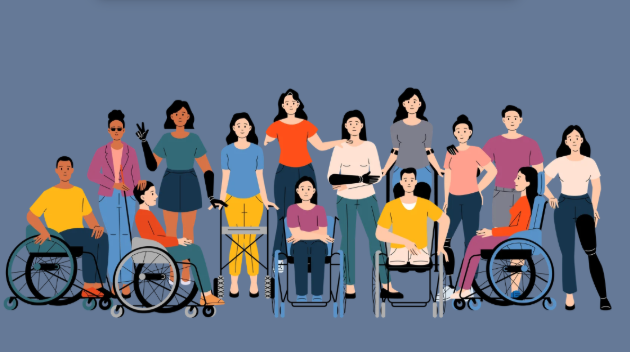
Individuals with access and functional needs, including those with disabilities, medical conditions, or language barriers, may require extra support during emergencies.
- Ensure medications, medical devices, service animals, and communication aids are ready to go in case of evacuation.
- If electrically powered medical equipment is used, such as oxygen concentrators or mobility devices, have a backup power plan and know where to access assistance during an outage.
- Tailor your emergency kit to include extra batteries for medical devices, medications, adaptive equipment, communication tools, and dietary supplies.
- Make sure you have accessible alerts. Ensure your alerts come in formats you can use: text, TTY, ASL videos, or multilingual.
- Register for the State of Texas Emergency Assistance Registry (STEAR) through your local Office of Emergency Management.
- Work with local emergency managers to identify accessible shelters and resources in advance.
By planning ahead, individuals with access and functional needs can stay safer, more independent, and better supported during disasters. Learn more

Aging Community
Older adults may face unique challenges during emergencies, including limited mobility, chronic health conditions, sensory impairments, or reliance on medications, medical equipment, and caregivers. Preparing ahead can help ensure their safety and well-being during a disaster.
- Maintain an up-to-date list of medications, medical providers, allergies, and emergency contacts, and keep at least a week's supply of medications and essential medical supplies on hand.
- If an older adult uses electrically powered medical equipment, such as oxygen concentrators or mobility devices, have a backup power plan and know where to access assistance during an outage.
- Discuss evacuation plans, transportation options, and shelter accommodations in advance.
Taking these steps can help older adults remain safe, independent, and connected to the support they need during emergencies. Learn more
Build a Kit
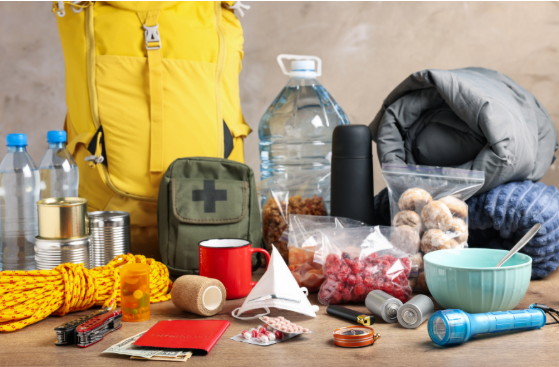
An emergency kit provides the essential supplies needed to stay safe and self-sufficient during a disaster. Choose what makes the most sense based on your situation, potential risks and hazards, and budget.
- A well-stocked kit should include enough water and nonperishable food for at least three days per person, along with a first aid kit, flashlight, extra batteries, medications, personal hygiene items, and copies of important documents.
- Consider adding items specific to your household needs, such as infant supplies, pet food, or medical equipment.
- Store your kit in an easily accessible location and review it regularly to replace expired items and ensure it remains ready for use when needed.
- Customize your kit according to what you need and where to keep it: under the bed (immediate), go bag (evacuation), home (2 weeks) and perhaps at work or in your car.
This preparation not only increases your resilience during a crisis but also gives you peace of mind knowing you're ready to face unexpected challenges. In emergencies, every second counts; being prepared can make all the difference. Learn more

Cybersecurity & Digital Preparedness
Many important aspects of emergency preparedness rely on technology, including communication, banking, medical records, and emergency alerts. Protecting your digital information can help prevent additional challenges during a disaster.
- Use strong, unique passwords and enable multi-factor authentication on important accounts whenever possible.
- Back up important documents such as insurance policies, identification records, and medical information to a secure cloud service or encrypted storage device.
Staying cybersecure helps ensure critical information remains accessible when you need it most. Learn more
Emergency Notification Systems
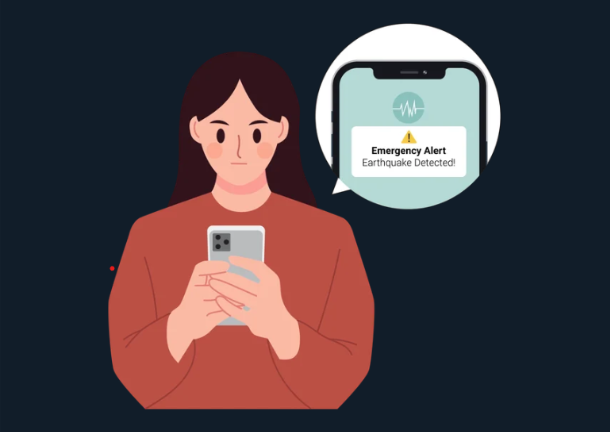
Emergency notification systems keep you informed during disasters by delivering real-time alerts through phone calls, text messages, emails, and mobile apps.
- Sign up for your Emergency Notification System where you live, work, and play in order to stay informed and aware.
- Make sure Wireless Emergency Alerts (WEA) are enabled on your phone.
Staying signed up ensures you receive timely information, giving you the chance to act quickly and make safe decisions for yourself and your family. Learn more
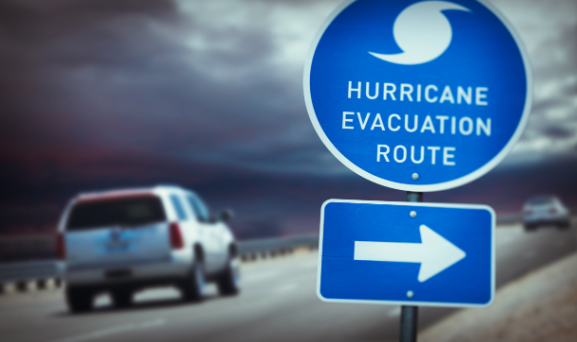
Evacuation
Evacuating quickly and safely can save lives during emergencies. Planning ahead helps you leave with confidence and reduces delays when every minute counts.
- Know multiple evacuation routes from your home, work, and school.
- Prepare an emergency kit with essential supplies, important documents, medications, and necessities for every member of your household, including pets.
- Sign up for local emergency alerts and follow evacuation instructions from emergency officials.
- Plan where you will stay if you need to leave your home, such as with family, friends, or at a shelter.
- Leave as soon as evacuation orders are issued to avoid traffic congestion and hazardous conditions.
Having an evacuation plan before disaster strikes helps you act quickly, stay organized, and reach safety more efficiently. Practicing your plan and reviewing it regularly can make all the difference when an emergency occurs. Learn more

Family Communication Plans
During an emergency, family members may be separated at work, school, or other locations, making it difficult to reconnect quickly. Creating a family communication plan helps everyone know who to contact, where to meet, and what to do if phone service is unavailable.
- Make sure all family members, including children, have important phone numbers written down.
- Choose an out-of-town emergency contact who can help relay information.
- Establish meeting locations both near your home and outside your neighborhood.
Taking these steps in advance can help families stay connected and reduce confusion during a disaster. Learn more

Financial Preparedness
Disasters often bring unexpected expenses, from temporary housing and emergency supplies to home repairs and income loss. Preparing financially before an emergency can help reduce stress during recovery.
- Set aside emergency savings, even in small amounts over time, and review your insurance policies to understand what is covered.
- Have cash in small bills readily available.
- Keep copies of important financial documents, insurance information, and identification in a secure, waterproof location.
Being financially prepared can help families recover more quickly and make informed decisions during difficult situations. Learn more
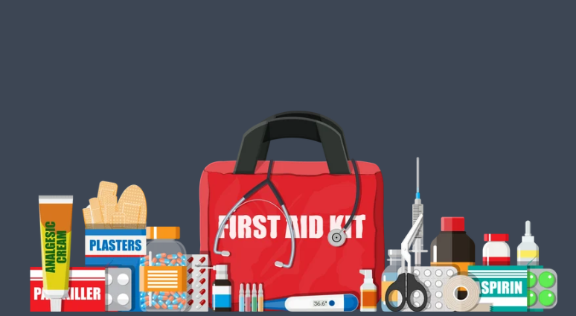
First Aid & Safety Tips
First aid knowledge and basic safety skills are essential for responding to emergencies before professional help arrives. Whether dealing with minor injuries, sudden illnesses, or hazardous conditions, knowing how to act quickly can prevent complications and protect lives.
- Learn CPR, assemble first aid kits, and recognize warning signs to help individuals and households handle unexpected situations more confidently.
- Take the Stop the Bleed training to learn about basic trauma care techniques to stop or slow bleeding during emergencies.
- Take the Citizen Response to Active Shooter Events (CRASE) training from your local police department.
By promoting first aid awareness and everyday safety habits, communities become better equipped to reduce harm and support effective emergency response. Learn more

Homeowners Insurance
Homeowners insurance provides financial protection if your home or belongings are damaged or lost due to emergencies such as fires, storms, theft, or other covered events. Having insurance helps you recover more quickly by covering repair costs, temporary living expenses, or replacement of personal items.
Tip: Review your policy to make sure it covers disasters common in Texas, such as tornadoes or floods. Standard policies may not automatically include flood coverage, so it’s important to ask your provider about additional protection.
- Be cautious when hiring contractors. Make sure they’re licensed, insured, and reputable.
- Protect yourself from contractor fraud. Learn to recognize the red flags of contractor fraud, such as asking for full payment upfront or pressuring you to sign quickly.
- Understand common legal issues post-disaster, such as insurance claim disputes, contract issues, or property title problems.
- Learn about landlord and tenant rights in Texas. If you're renting, or if you own rental property, it’s important to know the repair and remedy laws in Texas.
Being prepared with the right coverage ensures peace of mind and stability for you and your family when unexpected events occur. Learn more

Make a Plan
Having an emergency plan helps ensure that everyone in your household knows what to do before, during, and after a disaster. Emergencies can happen with little warning, so it is important to discuss evacuation routes, meeting locations, emergency contacts, and shelter options ahead of time.
Be sure to include plans for children, older adults, pets, and anyone with specific medical or mobility needs.
Practicing your plan regularly and keeping important phone numbers and documents easily accessible can help your family respond quickly and confidently when an emergency occurs. Learn more

Mental Health & Disaster Recovery
Emergencies can affect emotional well-being just as much as physical safety. Feelings of stress, anxiety, frustration, or sadness are common before, during, and after a disaster.
- Maintain strong social connections.
- Identify trusted friends or family members for support.
- Learn healthy coping strategies such as exercise, adequate sleep, and stress management techniques.
- Know where to find local mental health resources and community support services to help individuals and families recover more effectively after an emergency.
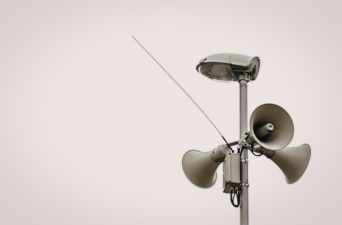
Outdoor Warning Sirens
Outdoor warning sirens are designed to alert people who are outdoors to take cover and seek additional information immediately during emergencies.
- When you hear the siren: Go indoors immediately, seek shelter and tune in to local news, radio, or a weather app. Do not call 911 unless you have an emergency.
- Learn when your jurisdiction activates their outdoor warning sirens.
- Check your local emergency management website for the exact date and time sirens are tested.
- Tune in to official sources for updates and guidance after sirens are heard. Note: There is no “all clear” from the sirens.
Knowing what outdoor warning sirens mean and how to respond can help you act quickly during an emergency. Learn more

Pets & Livestock
Pets and livestock are important members of households and agricultural operations, yet they face significant risks during natural disasters and emergency events. Evacuations, shelter limitations, and disrupted access to food, water, and veterinary care can put animals and their owners in dangerous situations.
- Assemble a 3–7-day supply of food, water, and medications for each animal.
- Keep medical records, identification tags or microchip information, and an emergency contact list (veterinarian, emergency shelters, and boarding facilities) in an accessible location.
- Have essential handling and transport equipment ready, including leashes, halters, muzzles, crates or carriers, and livestock trailers with ramps.
- Maintain a travel-ready on-farm first aid kit for both animals and handlers.
- Identify pre-arranged safe shelter locations, such as dry barns, fenced pens, or temporary enclosures, away from flood-prone areas and wildfire hazards.
- Keep photos of each animal (with you, if possible).
By prioritizing emergency preparedness for pets and livestock, families and agricultural communities can reduce harm, support faster recovery, and strengthen overall community resilience. Learn more
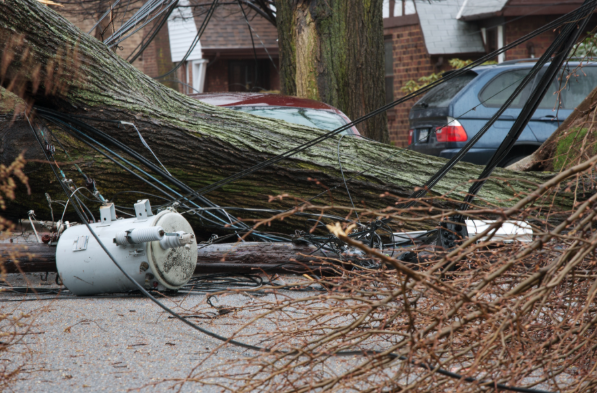
Power Outages & Utility Disruptions
Power outages can occur with little warning and may last for several hours or even days. Preparing ahead of time can help keep your household safe and comfortable when electricity, water, or other utilities are disrupted.
- Learn how to safely shut off utilities.
- Keep flashlights, extra batteries, portable phone chargers, and battery-powered weather radio readily available.
- Store enough drinking water and nonperishable food for several days, in case of disruption.
- If someone uses electrically powered medical equipment, such as oxygen concentrators or mobility devices, it is important to have a backup power plan and know where to access assistance during an outage.
- For the most accurate outage information, identify your electric utility or power distribution company and sign up for its alerts and notifications. This will help you receive real-time updates on outages, restoration efforts, and other important emergency information
Planning ahead can help families manage utility disruptions with greater confidence and less stress. Learn more

Rural vs. Urban Preparedness
Where you live can significantly impact how you prepare for and respond to emergencies. Rural and Urban communities face different challenges during disasters, making it important to tailor your preparedness efforts to your environment.
Urban Preparedness Tips
- Know multiple evacuation routes if typical bridges and roadways are impacted.
- Stay informed through local emergency alerts and public transportation notifications.
- Keep emergency supplies at home, work, and in your vehicle.
- Be prepared to shelter in place for several days by maintaining enough food, water, medications, and other essential supplies for everyone in your household.
- Identify safe meeting locations for family members if communication systems are disrupted.
- Learn emergency procedures for apartments, offices, and other multi-story buildings.
Rural Preparedness Tips
- Know multiple evacuation routes if typical bridges and roadways are impacted.
- Maintain extra food, water, medications, livestock feed, and other essential supplies in case travel is delayed or impossible for several days.
- Have backup power sources and alternative heating or cooling options when appropriate or if directed to shelter in place.
- Know the locations of shelters, medical facilities, and emergency services.
- Keep vehicles fueled and stocked with emergency supplies.
- Develop communication plans with neighbors and family members in case phone or internet service is interrupted (satellite radio, pre-stored information).
Preparing for the unique challenges of your community can help you respond more effectively when disasters occur. Understanding local risks, planning ahead, and maintaining emergency supplies can increase safety and resilience for you, your family, and your community. Learn more
Small Businesses
Small businesses play a vital role in local economies, yet they are often more vulnerable to disruptions caused by natural hazards, public health emergencies, and unexpected crises. Limited staffing, financial constraints, and reliance on daily operations can make it difficult for small business owners to recover from prolonged interruptions.
- Sign up for alerts, know about hazards that could affect your business, and review your insurance policies regularly.
- Plan for how your business will function during and after a disaster.
- Implement cybersecurity measures to protect vital records and data.
- Stockpile essential supplies and prepare for power outages.
Effective emergency preparedness helps safeguard business assets, protect staff and customers, and support quick recovery. By investing in preparedness, small businesses strengthen community resilience and maintain stability during emergencies and beyond. Learn more
Transportation & Vehicle Preparedness
Reliable transportation can be critical during evacuations, severe weather events, or other emergencies. Keeping your vehicle prepared can help ensure you are ready to leave quickly if needed.
- Regularly check your fuel level, tire pressure, battery, and fluid levels.
- Consider keeping an emergency kit in your vehicle with items such as water, snacks, flashlight, first aid kit, and jumper cables. Tailor your kit to the seasons (blankets for Winter, umbrella for Spring, etc.).
- If you rely on public transportation or have limited mobility, identify alternative transportation options in advance.
Planning ahead can help you travel safely and avoid delays during emergencies. Learn more

Volunteer & Community Engagement
Prepared communities are often more resilient because neighbors help one another before, during, and after disasters.
- Get involved in local preparedness efforts to strengthen community response and recovery.
- Participate in emergency preparedness trainings, join a neighborhood group, or volunteer with local organizations that support disaster response.
- Take time to get to know your neighbors, especially older adults or individuals who may need additional assistance during emergencies.
Building strong community connections helps ensure that support is available when it is needed most. Learn more

Youth
Children and teens have unique needs during emergencies and may rely on adults for safety, comfort, and information. Preparing ahead helps reduce fear and confusion.
- Teach kids what to do in different situations.
- Practice memorizing phone numbers, names, and addresses.
- Keep family emergency kits stocked with child-friendly items.
- Make sure schools and childcare centers have response plans.
- Engage youth in preparedness, such as creating a family emergency plan together.
Empower children and teens to make them feel more confident and resilient when disasters happen. Learn more